
Hosting Thanksgiving is not really about cooking a perfect meal. It is about making a group of people — family, friends, neighbors, and maybe a few guests you barely know — feel welcome, fed, and unhurried in your home. The best Thanksgiving hosting ideas are the ones that protect your energy as the host, because a relaxed host sets the tone for the whole day. If you are rushing, apologizing, and disappearing into the kitchen for hours, your guests will feel it, no matter how good the food tastes.
This guide is built around planning, not perfection. You will find a practical timeline, ways to share the work without awkwardness, and small hosting decisions that prevent the most common Thanksgiving problems: too many people in the kitchen, food that is ready at four different times, guests who do not know where to stand, and a host who never sits down. Thanksgiving in 2026 falls on Thursday, November 26, which gives you a clear target date to plan backward from, whether you are hosting four people or twenty-four.
Work through these thanksgiving hosting ideas in order, or pick the ones that solve your biggest worry. Either way, the goal is the same: a stress-free day where you actually enjoy the people you invited.
1. Set a Realistic Guest Count First
Before you plan a menu, buy a turkey, or borrow chairs, decide how many people your home can comfortably hold. Count seats, not square footage. If you have seating for ten at the table and a living room that fits eight, twelve guests will feel crowded even in a large house. Be honest about parking, bathrooms, and kitchen space too, because those are the places where bottlenecks happen first. Once you have a firm number, stick to it. A guest list that keeps growing in the final week is the fastest way to turn a calm plan into a scramble. If someone asks to bring an extra guest, it is perfectly kind to say that you are at capacity for seating this year and would love to see them another time. Hosts who set a clear limit early rarely regret it, and guests appreciate knowing the plan instead of sensing last-minute stress. Your guest count also drives every other decision in this guide, from how much food to cook to whether a buffet makes more sense than a seated dinner.
2. Send Invitations That Answer Every Question
A good Thanksgiving invitation does more than name the date. It answers the questions guests will otherwise text you about one by one: what time to arrive, what time dinner will be served, whether they should bring anything, where to park, and what to do about shoes, pets, or kids. Put the arrival time about 30 to 45 minutes before dinner so early guests have time to settle in and late guests do not miss the main course. Mention the dress code in plain language, such as comfortable and casual, so nobody arrives overdressed or underdressed. If you are assigning dishes, say so in the invitation rather than in a separate message that might get lost. Include a reply-by date at least ten days before Thanksgiving so you can finalize food quantities without chasing answers. Clear invitations are one of the simplest thanksgiving hosting ideas, and they save you dozens of messages in the week before the holiday.
3. Build a Countdown Timeline, Not a To-Do Panic List
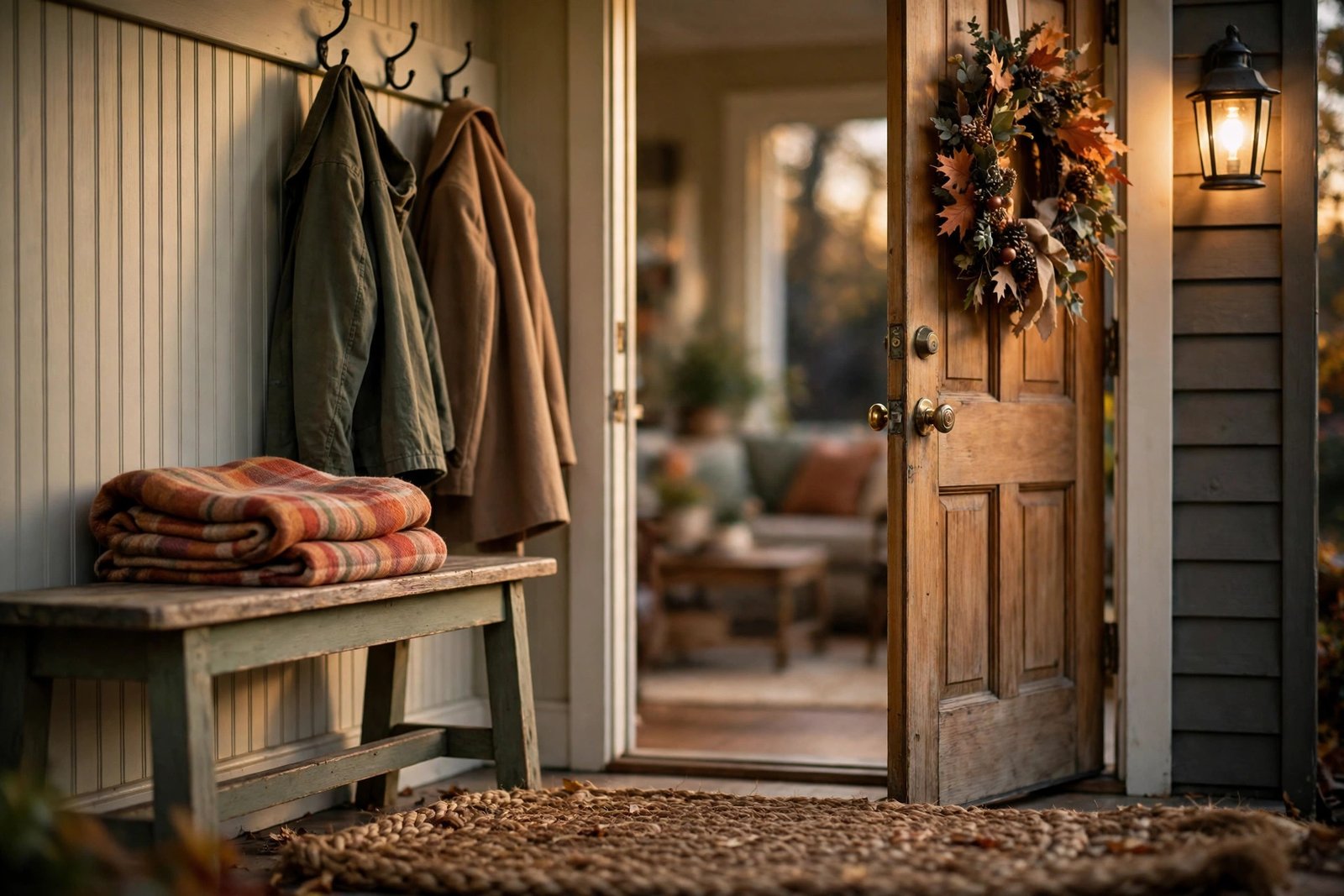
A long to-do list feels overwhelming because everything on it looks equally urgent. A countdown timeline fixes that by giving each task a home. Two weeks out, confirm the guest count, finalize the menu, and check that you have enough plates, glasses, and serving dishes. One week out, shop for pantry staples, set the table if you can, and prep anything that freezes well. Three days out, buy fresh ingredients and start dishes that taste better after a day in the fridge. The day before, set up the drink station, arrange seating, and prep vegetables. On Thanksgiving Day, your list should be short: cook, welcome, eat, and enjoy. Write the timeline on paper and keep it in the kitchen where you can see it. Crossing off tasks in order feels calmer than jumping between jobs, and it stops you from doing low-priority work, like polishing silver, while high-priority work, like thawing the turkey, waits.
4. Choose a Start Time That Protects the Cook
The start time you choose is really a decision about how much pressure you want in the final hour. An early afternoon dinner, around 2 or 3 p.m., gives you the morning to cook without waking before dawn, and it leaves the evening free for dessert, games, and relaxed conversation. A late dinner sounds elegant but often means guests arrive hungry, snacks run out, and the cook is still working while everyone waits. Whatever time you pick, serve a real appetizer, not just a bowl of nuts, if guests will wait more than an hour. Cheese, crackers, a simple dip, and something warm from the oven will hold people comfortably. Tell guests the dinner time, not just the arrival time, so they can plan snacks and travel. When the meal time is clear, you will feel less rushed, and your guests will pace themselves instead of grazing all afternoon and arriving at the table already full.
5. Plan the Menu Around One Star Dish
Every memorable Thanksgiving meal has one dish people talk about afterward, and it does not have to be the turkey. It might be a family stuffing recipe, a slow-cooked side, or a dessert you make every year. Build the rest of the menu to support that star, not compete with it. If the turkey is the centerpiece, keep the sides familiar and simple. If a show-stopping side is your pride, choose a straightforward main dish so the kitchen stays manageable. Limit the menu to one dish per cooking method where possible: one oven dish, one stovetop dish, and several dishes that can be served at room temperature. This is how you avoid the classic Thanksgiving traffic jam, where four dishes all need the oven at different temperatures at the same time. Write the full menu down, including who is bringing what, and tape it inside a cabinet door. On the day, you will not have to remember anything, and helpers can follow the plan without asking you every five minutes.
6. Coordinate Potluck Without Chaos
Potluck can be a gift or a headache, depending on how clearly you organize it. The chaos usually comes from five people bringing the same dish and nobody bringing a vegetable. Fix this by assigning categories, not exact recipes: one person brings a green vegetable, another brings rolls, another brings a dessert, and so on. Ask guests to tell you what they plan to bring at least a week ahead so you can spot duplicates and gaps. Remind them to bring their dish in a container they do not need back that day, and to label anything that needs reheating or fridge space. If a guest cannot cook, give them a non-food job instead, such as bringing drinks, ice, or paper goods, so they still contribute without stress. Thank people by name when their dish is served, and keep a small card near the buffet noting who made what. Potluck hosting works best when the host stays in charge of the plan, even while guests share the cooking.
7. Set Up a Welcome Drink Station
The first ten minutes of a visit set the mood, and nothing eases that moment like a drink in hand. Set up a small welcome drink station near the entrance, away from the kitchen, so arriving guests are not standing in your cooking space. Offer one warm option, such as spiced cider, and one cold option, such as sparkling water with citrus, plus a simple nonalcoholic choice that feels special rather than like an afterthought. Keep glasses, a ladle or pitcher, and napkins together so guests can serve themselves without asking. This station does two jobs at once: it gives early guests something to do while others arrive, and it keeps people out of the kitchen during the busiest cooking window. Refill it once, then leave it alone. A welcome drink station is one of the most effective thanksgiving hosting ideas because it turns arrival from an awkward pause into a warm, natural start to the day.

8. Ask About Dietary Needs Early, and Plan Quietly
Ask about dietary needs in your invitation, not at the table. A simple question — please let me know about allergies or dietary needs — gives you time to plan without singling anyone out. You do not need a separate menu for every guest. Instead, build a menu where most dishes work for most people, and add one or two thoughtful options, such as a vegetarian main or a gluten-free side, that anyone can enjoy. Label dishes clearly with small cards that note common allergens, and keep serving spoons with each dish so foods do not mix. If a guest has a serious allergy, prepare their dish first, before other cooking spreads crumbs or sauces across surfaces, and store it separately. Handle this planning quietly and in advance. Guests with dietary needs notice when a host has thought ahead, and they relax when they do not have to explain themselves in front of the whole table.
9. Create a Seating Plan That Mixes People Well
Seating can make or break the conversation at Thanksgiving. If you let everyone choose freely, couples sit together, old friends cluster, and newcomers end up at the edge of the table. A light seating plan fixes this without feeling formal. Seat lively talkers near quieter guests, separate people who tend to debate the same topic every year, and place children near adults who enjoy their company. You do not need assigned seats for the whole house, just for the main meal. Keep the plan flexible: if a guest needs a chair with arms, a spot near the kitchen, or space for a wheelchair or walker, build that in first and arrange everyone else around it. A thoughtful seating plan is hospitality in action. It tells guests you thought about them as people, not just as names on a list, and it helps the meal feel connected instead of divided into small groups.
10. Design a Flow: Where Guests Arrive, Gather, Eat, and Relax
Think of your home as a path guests will follow: arrival, gathering, eating, and relaxing. If all four happen in the kitchen, the day will feel crowded no matter how big the house is. Give each stage its own space. The entry holds coats and the welcome drink station. The living room holds conversation and appetizers. The dining area holds the meal. A quieter corner, porch, or family room holds dessert, coffee, and games afterward. Move furniture the day before to open walkways, and remove anything that blocks the path between the kitchen and the table. Keep the table decoration low enough that guests can see each other across it; a tall arrangement that blocks faces will quiet the conversation. For ideas on keeping that centerpiece welcoming rather than obstructive, see our guide to Thanksgiving centerpiece ideas. When the flow works, guests move naturally through the day without being herded, and you spend less time directing traffic.
11. Prep the House in Zones, Not All at Once
Cleaning the whole house in one exhausting push the day before Thanksgiving is a recipe for burnout. Instead, prep in zones over several days. One day, focus on the entry and guest bathroom. Another day, focus on the dining area and kitchen surfaces. On the final day, do only a quick refresh: wipe counters, empty trash cans, put out fresh towels, and fluff cushions. Pay special attention to the guest bathroom, because it is the room every guest will use and judge. Stock it with extra toilet paper, hand towels, soap, and a small trash can, and check it once during the day. In the kitchen, clear one counter completely and label it as your landing zone for incoming dishes, so guest contributions do not pile up on your cooking space. Zone cleaning keeps the work manageable, and it means you will still have energy left for the part that matters: enjoying your guests.
12. Run the Buffet Like a One-Way Street
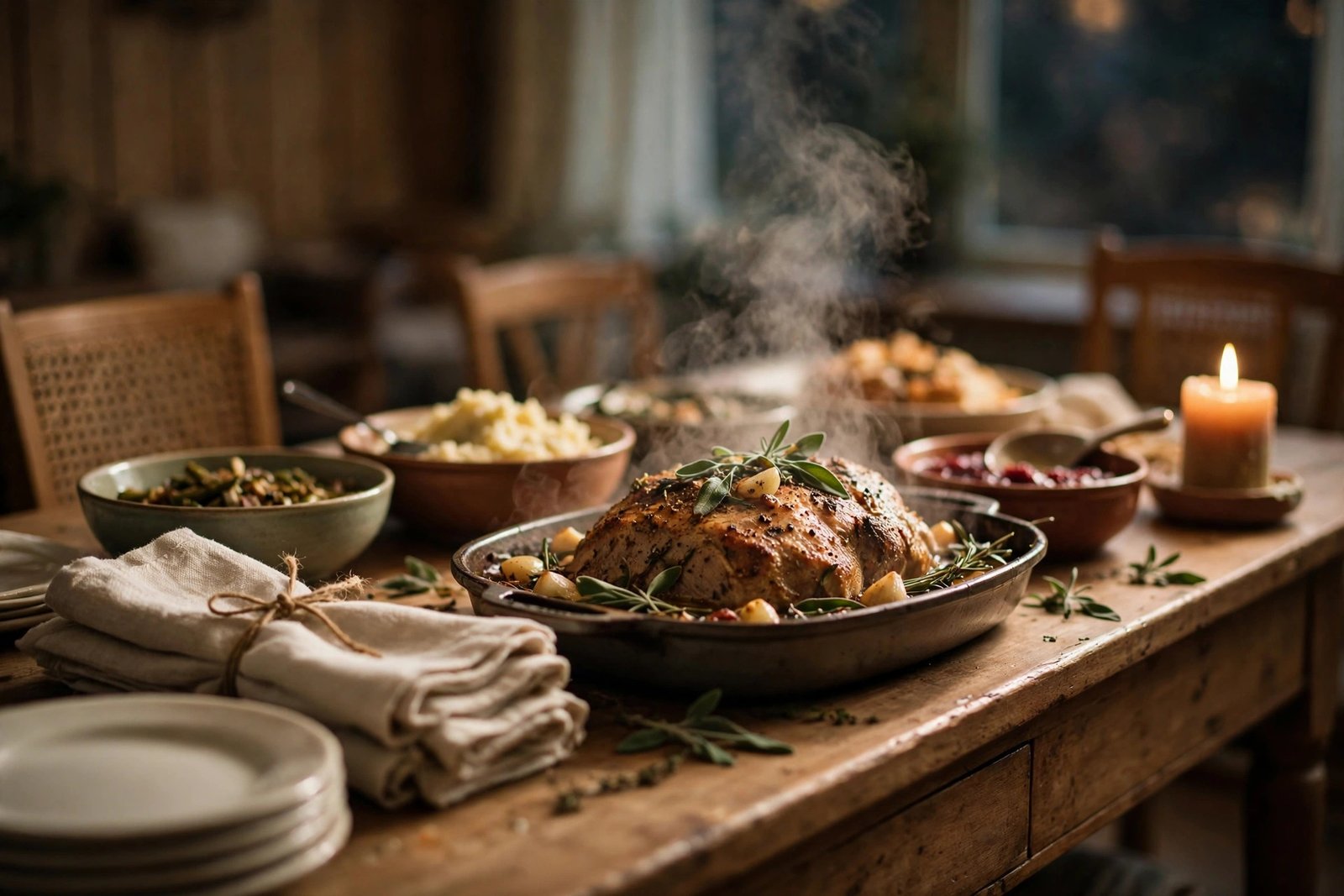
If you are serving buffet-style, the layout matters as much as the food. Arrange the buffet in a single direction so guests move smoothly from plates to main dish to sides to drinks, without crossing paths or doubling back. Put plates first, then the main dish, then sides in the order people will serve them, and put cutlery and napkins last so hands are free while serving. Keep drinks on a separate table so the food line does not stall while someone pours. If you have a large group, set out two serving spoons for popular dishes and two stacks of plates to keep the line moving. Consider setting desserts on their own table later in the day rather than crowding the main buffet; our Thanksgiving dessert table ideas show how a separate dessert spot keeps the main line clear. Label each dish, keep hot food hot with covered dishes, and refill in small batches so the last guest in line gets food that is just as fresh as the first.
13. Keep Kids Happy With Their Own Corner
Kids do not need a separate Thanksgiving, but they do need a place where they belong. Set up a kids corner with simple activities: coloring pages, a puzzle, building blocks, or a craft that does not require adult supervision every minute. Place it where adults can see the kids but where the kids are not underfoot in the kitchen. Serve kids earlier if they are hungry, or set out a small snack plate so they are not waiting through a long adult conversation. If you have a kids table, keep it close to the main table so children do not feel banished, and let an older child or a willing adult sit with them. Plan one short group activity, such as a walk, a simple game, or decorating cookies, to give kids a moment in the spotlight. When kids are happy and occupied, parents relax, the meal stays calmer, and the host is not pulled in three directions at once.
14. Build in a Gratitude Moment That Feels Natural
A gratitude moment can be beautiful or painfully awkward, and the difference is usually pressure. Do not go around the table asking each person to perform gratitude on command, especially if you have shy guests or new partners who barely know the family. Instead, choose one low-pressure option. The host can offer a short, sincere thank-you for the people in the room before the meal. Or you can leave small blank cards at each place and invite anyone who wants to write a note to drop it in a bowl, to be read later or kept private. Another gentle option is a single shared question, such as what is one small good thing from this year, answered only by those who want to speak. Keep the moment short, warm, and optional. Gratitude lands best when it is invited, not required, and a calm moment before eating helps everyone settle into the meal with the right feeling.
15. Time the Turkey, and the Oven, With a Backup Plan
The turkey is where most Thanksgiving stress concentrates, so give it a plan of its own. Confirm the thaw time days ahead: a frozen turkey needs about 24 hours of fridge thawing for every four to five pounds, so a large bird may need four days. On the day, use a meat thermometer rather than guessing, and aim for the safe temperature recommended for poultry in the thickest part of the thigh. Rest the turkey for at least 20 to 30 minutes before carving; this is not wasted time, it is when the juices settle and the meat stays moist. While it rests, use the oven to warm sides and rolls. Always have a backup plan: a second main dish, such as a ham or a hearty vegetarian roast, covers you if the turkey is late, dry, or smaller than expected. Write the oven schedule on paper with times for each dish, and set timers for everything. A written schedule means you are not holding the whole meal in your head while guests are talking to you.
16. Keep Drinks Simple and Self-Serve
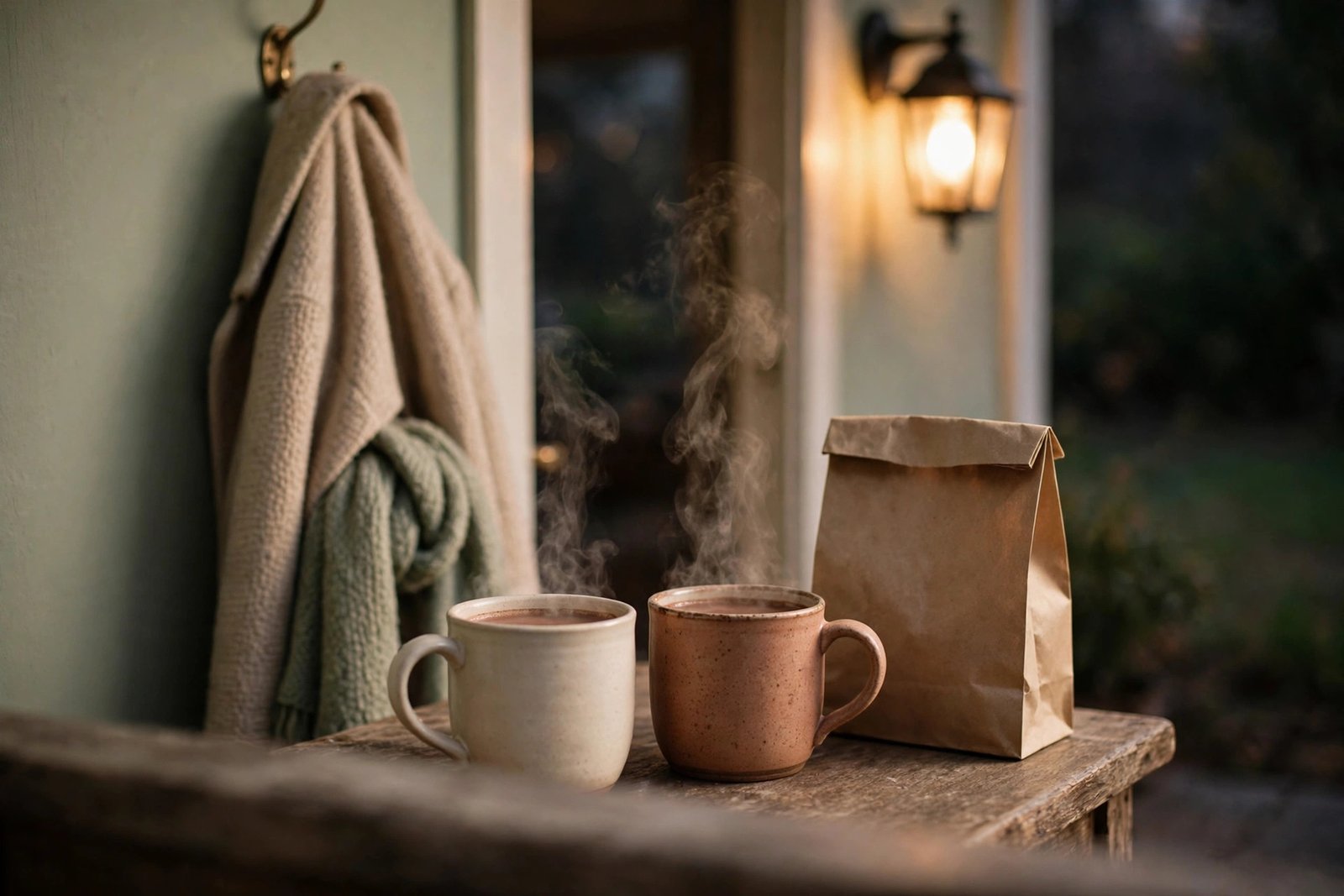
Drinks are one of the easiest places to overcomplicate Thanksgiving. You do not need a full bar, a signature cocktail, and six wine options. Choose one red, one white, one nonalcoholic option that feels festive, and water, and let guests serve themselves. Set the drink station away from the food line, with glasses, an opener, and a small ice bucket together. If you want a warm evening drink after dinner, a self-serve cocoa setup keeps the night going without extra work; see our Thanksgiving hot cocoa bar ideas for a simple way to arrange it. Keep a pitcher of water on the dining table so nobody has to get up for refills during the meal. Buy a little more than you think you need, and keep backups in a cool spot rather than crowding the main station. Simple, self-serve drinks free you from playing bartender all day, and guests like being able to help themselves without asking.
17. Set the Table the Night Before
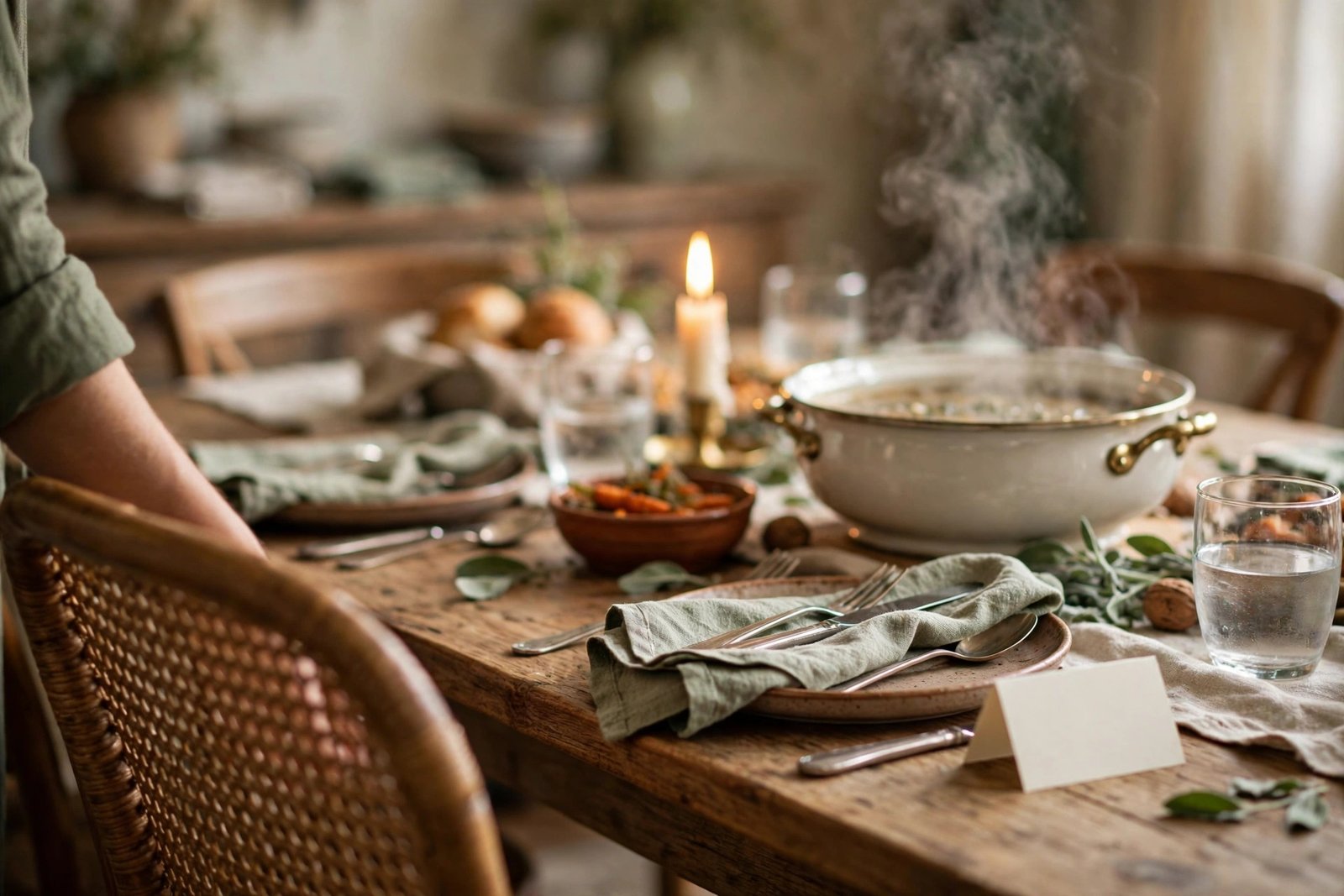
Setting the table the night before is one of the highest-value thanksgiving hosting ideas, because it removes a whole job from the busiest morning of the year. Lay out plates, glasses, cutlery, and napkins, and place serving dishes where they will go so you can spot shortages while shops are still open. If you are using place cards, write them the night before too, when you are calm rather than rushed. Keep the table setting practical: one glass per person for the meal, plus water, is enough, and extra glasses can wait on the drink station. Cover the set table with a clean sheet if you have pets or small children, so it stays fresh overnight. For the decorative side of the table, our Thanksgiving table decor ideas offer simple looks that do not get in the way of serving. Waking up to a table that is already done changes the whole feeling of Thanksgiving morning.
18. Plan Music, Light, and Scent as Background, Not a Show
Background atmosphere should be felt, not noticed. Choose a long, calm playlist and start it before the first guest arrives, at a volume where conversation stays easy. Avoid music with sudden loud tracks or lyrics that dominate the room. For lighting, use warm lamps and candles where safe, and dim any harsh overhead lights in the dining area. Scent should come from cooking, not from a strong candle competing with the food. If you light a candle, choose a mild, food-friendly scent and keep it away from the table. Open a window briefly between cooking and serving if the kitchen smells heavy, so the dining room feels fresh when guests sit down. These small background choices work together: soft music, warm light, and the smell of real cooking tell guests they are welcome without any single element demanding attention. That is the atmosphere people remember, even if they cannot name why the day felt so comfortable.
19. Give Overnight Guests a Ready Room
If guests are staying overnight, their room deserves the same planning as the meal. Make the bed with fresh sheets a day ahead, and leave clear space for luggage, a chair or hook for clothes, and a spot to charge a phone. Put out fresh towels, an extra blanket, and a small basket with basics: water, a phone charger if you have a spare, and toiletries in case someone forgot theirs. Tell overnight guests the house basics on arrival: the Wi-Fi password, bathroom locations, and what time breakfast will be ready. If you have limited space, an air mattress in a quiet room with a real pillow and blanket is far better than a sofa in a busy living room. Overnight guests who sleep well and know the plan will be relaxed the next morning, and you will not be woken by questions about towels or coffee. A ready room is a small effort that pays off in a much smoother morning after.
20. Assign Small Jobs So Guests Feel Included
Many guests want to help but do not know how, so they hover in the kitchen or sit awkwardly doing nothing. Solve this by assigning small, specific jobs ahead of time. Ask one guest to greet arrivals and take coats. Ask another to refill the drink station. Ask a teenager to play music or take photographs. Ask a confident cook to carve or stir a dish. Keep jobs short and clear, and match them to what each person enjoys, not just to what needs doing. Avoid assigning jobs that are actually stressful, such as timing the turkey, to a guest who did not volunteer for pressure. When people have a role, they feel included rather than in the way, and the host gets real help without having to delegate in the middle of cooking. Thank helpers warmly, by name, during the day. Feeling useful is part of feeling welcome, and a shared effort often becomes one of the day’s best memories.
21. Plan the Photographs Before Everyone Sits Down
Thanksgiving photographs usually happen in a rush, after the meal, when everyone is full and the light is gone. Plan them instead. Decide on one group photo and take it before dinner, when people look fresh and the daylight is still good. Choose a spot with simple background and enough room for the whole group, and ask one person to be the photographer so you are in the photo too. Use a timer or a tripod if you have one, and take several shots so nobody is blinking in every frame. After that, let photographs happen naturally: the table before serving, kids playing, dessert being shared. Avoid turning the whole day into a photo shoot, and never delay the meal for perfect pictures. One good group photo, taken early and without fuss, is worth more than dozens of hurried snaps afterward, and it gives everyone a keepsake from a day that was actually enjoyed, not just documented.
22. Pack Leftovers Like a Host, Not an Afterthought
Leftovers are part of Thanksgiving, so plan for them instead of scrambling with foil and mismatched containers at midnight. Before guests arrive, set aside reusable containers, bags, and labels, and keep a clear spot in the fridge for packed boxes. As the meal ends, pack balanced boxes — a little of each dish — rather than handing one guest all the turkey and another all the sides. Label anything that needs eating soon, and remind guests about fridge safety: perishable leftovers should be refrigerated within two hours and eaten within a few days. If you have guests traveling far, pack foods that travel well and skip anything that needs careful temperature control. Sending guests home with food is a generous final gesture, and doing it calmly, with containers ready, feels very different from a frantic kitchen clear-out. It also means your fridge is not overflowing for a week, and nothing good goes to waste.
23. Make Cleanup a 20-Minute Team Effort
Cleanup feels endless when one person does it alone, but it is surprisingly fast when everyone helps for a short, defined time. After dessert, invite everyone to join a 20-minute tidy: clear plates, pack leftovers, load the dishwasher, and wipe surfaces. Play music, keep it light, and stop when the timer ends, even if a few jobs remain. Soak pots and pans rather than scrubbing them at midnight, and leave non-urgent jobs, such as polishing or deep cleaning, for the next day. Have trash bags, recycling bins, and dish towels ready before the meal so cleanup does not stall while someone searches for supplies. Guests often enjoy this shared wind-down; it gives the day a natural close and lets people chat without the formality of the table. A host who accepts help gracefully, instead of insisting on doing everything alone, teaches guests that helping is welcome, and next year they will offer even sooner.
24. Have a Plan B for Weather, Late Guests, and Burned Rolls
Something on Thanksgiving Day will not go to plan, and a good host has already decided not to panic about it. If rain cancels a walk or porch gathering, have an indoor game or a cozy seating area ready. If guests are late, start appetizers on time and hold the main course without resentment; a short delay is better than a cold meal or a hungry room. If a dish burns, leave it out without apology or explanation, and serve what worked. Keep a few backups on hand: extra rolls, a simple store-bought dessert, and extra drinks, so a single failure never becomes a crisis. Tell yourself in advance that the day will be imperfect, and that imperfection is part of a real gathering, not a failure of hosting. Guests remember warmth, laughter, and feeling welcome far longer than they remember a burned side dish, and a calm response to a mishap often becomes a funny story for years afterward.
25. End the Day With a Warm Goodbye, Not a Rush
The goodbye is the last impression guests take home, so give it the same care as the welcome. As the evening winds down, walk guests to the door rather than waving from the kitchen. Hand them their leftovers, their coats, and anything they brought, and thank them for coming, naming something specific you enjoyed, such as a story they told or a dish they brought. If guests are driving, check that they have what they need for the trip, and offer a warm drink for the road on a cold night. Avoid rushing people out while you are already cleaning; a few unhurried minutes at the door feel far better than a hurried exit. After everyone leaves, sit down for a few minutes before tackling the rest of the cleanup. You hosted a full, generous day, and you deserve a quiet moment to enjoy the fact that it went well. These thanksgiving hosting ideas all point to the same truth: good hosting is less about a flawless meal and more about making people feel cared for from arrival to goodbye.
Products to Consider
These generic hosting essentials can make the day smoother, whichever style you choose. Look for sturdy, reusable versions that suit your home and guest count, and check sizes before you buy.
- A large roasting pan with a rack, for even cooking and easier carving
- A reliable meat thermometer, so you can cook poultry with confidence
- A set of covered serving dishes, to keep hot food hot on a buffet
- A drink dispenser or large pitcher, for a self-serve welcome drink station
- Cloth napkins and a simple tablecloth, for a table that feels cared for without fuss
- Reusable food containers with lids, for packing leftovers to send home
- A long playlist speaker or small portable speaker, for background music at conversation volume
- Extra folding chairs and a folding table, for guests beyond your everyday seating
- A slow cooker, for keeping a side dish or warm drink hot without oven space
- A basic first-aid and spill kit, including cloths and a stain remover, for small accidents
Frequently Asked Questions
How far ahead should I invite guests to Thanksgiving?
Send invitations three to four weeks ahead, with a reply-by date about ten days before the holiday. Early invitations give guests time to plan travel, arrange time off, and tell you about dietary needs or dishes they can bring. If you are hosting a large group or guests are traveling, even earlier is better. A clear invitation with arrival time, dinner time, and what to bring prevents most last-minute questions.
How much food should I plan per person?
As a rough guide, plan about one to one and a half pounds of turkey per person if you want leftovers, plus about half a pound of each side dish per person in total across sides, not per side. It is better to have a little extra of popular dishes, such as mashed potatoes and stuffing, than to run short. Potluck contributions and desserts count toward the total, so adjust your quantities once you know what guests are bringing.
What should I do if guests offer to bring a dish?
Accept graciously, and guide the offer so the menu stays balanced. Assign a category that is still missing, such as a vegetable, rolls, or dessert, and ask what they plan to bring a week ahead. Remind them about fridge or oven space, and about bringing their dish in a container they do not need back that day. If you already have enough food, suggest a non-food contribution instead, such as drinks, ice, or flowers.
How do I handle different dietary needs at one table?
Ask about dietary needs in the invitation, then build a menu where most dishes work for most guests, plus one or two thoughtful options for those who need them. Label dishes with common allergens, keep serving utensils separate, and prepare allergy-sensitive dishes first. Guests should never have to ask at the table what is safe to eat; clear labels and a little advance planning take care of it quietly.
Can I host Thanksgiving in a small home?
Yes, with a smaller guest list and a buffet or staggered seating plan. Limit the table to the seats you truly have, use a buffet so the dining area is not crowded with serving dishes, and create gathering space in more than one room. Set the table the night before, keep drinks self-serve, and accept help with setup and cleanup. A small, well-planned gathering often feels warmer and more connected than a large, crowded one.
Final Thoughts
Thanksgiving hosting does not require a perfect home, a flawless turkey, or a table that looks like a magazine photograph. It requires a clear plan, a realistic guest list, food that is ready on time, and a host who is present enough to enjoy the day. The thanksgiving hosting ideas in this guide are designed to work together: invitations that answer questions, a timeline that spreads the work, a flow that keeps guests comfortable, and small systems for drinks, seating, kids, and cleanup that prevent the usual stress points.
Start with the decisions that matter most — your guest count, your menu, and your timeline — and let the rest follow. Share the work, accept help, and leave room for the imperfect, funny, human moments that make Thanksgiving memorable. If your guests leave feeling welcomed, well fed, and unhurried, you have hosted beautifully, whatever the turkey looked like. That is the real measure of a stress-free Thanksgiving Day, and it is well within reach with a little planning ahead.