Home Decor

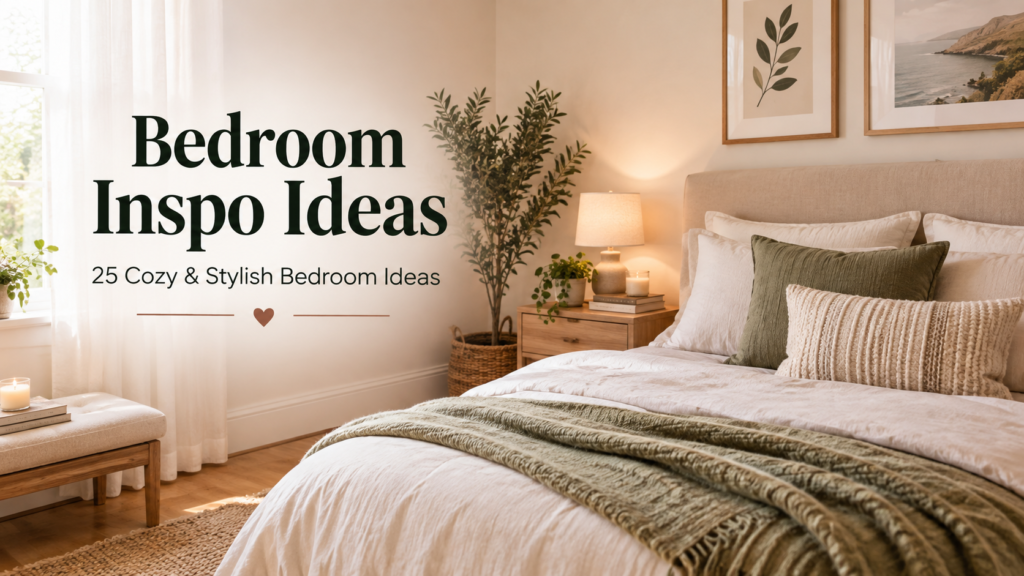
Cozy and stylish bedroom decor with neutral colours
Bedroom decor, Home Decor

Bedroom Inspo Ideas: 25 Cozy & Stylish Bedroom Ideas for 2026

Bedroom Inspo Ideas: 25 Cozy & Stylish Bedroom Ideas for 2026 Your bedroom should feel like the easiest room in the house to relax in. But sometimes, even after buying new bedding or moving the furniture around, it still does not feel quite right. That is where the right bedroom inspo ideas can help. You do not need a complete renovation or a huge budget to make your bedroom feel more beautiful. A better colour palette, softer lighting, a well-dressed bed, clever storage, and a few personal details can completely change the atmosphere. Whether you have a spacious main bedroom, a small box room, a rented flat, or simply want a quick refresh, these bedroom inspo ideas are designed to be practical as well as pretty. 1. Start With a Calm Colour Palette Colour sets the mood before you add anything else. For a relaxing bedroom, try soft shades such as: You do not have to keep everything neutral. A deeper green, navy, terracotta, or muted red can create a beautiful focal point when balanced with softer colours. If you are unsure, choose one main wall colour and two or three supporting shades for bedding, curtains, artwork, and accessories. 2. Make the Bed the Main Focus The bed is naturally the largest feature in most bedrooms, so make it work for you. Start with good-quality-looking bedding in a colour that works with your walls. Then add a few cushions and a soft throw. You do not need ten cushions to create a styled bed. Try: The result feels inviting without looking overdone. 3. Layer Different Textures A room can have beautiful colours and still feel flat. The easiest solution is texture. Mix materials such as: This is especially useful if you prefer neutral bedroom decor ideas because texture adds interest without requiring lots of colour. 4. Use Warm Bedroom Lighting Lighting can completely change how a bedroom feels. A bright ceiling light may be useful when cleaning or getting dressed, but it is not always the best choice when you want a calm evening atmosphere. Layer your lighting with: Place lighting at different heights so the room feels softer and more balanced. 5. Try a Cozy Reading Corner If you have a little extra space, create a small reading corner. You only need: It does not have to be a large armchair. Even a compact chair can turn an unused corner into a useful part of the room. 6. Use a Large Mirror A large mirror can make a bedroom feel brighter and more open. Place it where it can reflect natural light if possible. A simple full-length mirror can also be practical when getting dressed, while a decorative wall mirror can become part of your bedroom styling. Choose a frame that works with the rest of your room rather than treating the mirror as a separate feature. 7. Add One Strong Piece of Artwork Instead of filling every wall, choose one artwork that you genuinely love. It could be: Place it above the bed, opposite the bed, or on another wall that needs a focal point. One strong piece often looks more intentional than lots of small decorations. 8. Bring in Natural Elements Wood, plants, woven materials, and natural fabrics can make a bedroom feel warmer. Try a light-wood bedside table, a woven basket, a small plant, or a ceramic vase with branches. These details work particularly well with neutral colour schemes and can stop a room from feeling too plain. 9. Create a Small Bedroom That Feels Bigger A small bedroom does not have to feel cramped. Start by choosing furniture that fits the actual size of the room. Useful tricks include: For very compact bedrooms, an ottoman bed or built-in storage can be particularly useful because the same piece can provide both sleeping space and storage. Current UK bedroom design coverage places significant attention on compact rooms and practical storage, which makes this especially relevant for smaller homes and flats. 10. Make Storage Part of the Design Storage does not have to look boring. Instead of leaving clothes, books, and everyday items on every surface, use attractive storage that works with your decor. Consider: The goal is not to hide everything. It is to give everything a place. 11. Try a Soft Blue Bedroom Soft blue is a classic bedroom colour because it can create a calm and airy feeling. Pair it with: If you want a more dramatic look, use a deeper blue on one wall and balance it with lighter furniture and bedding. 12. Create a Sage Green Bedroom Sage green works beautifully when you want a bedroom that feels calm but not boring. Try sage walls with cream bedding, light wood furniture, and small black or brass details. You can also introduce sage through cushions, artwork, curtains, or a throw if you do not want to repaint. 13. Mix Modern and Vintage Pieces Your bedroom does not have to follow one style from top to bottom. A modern bed can look beautiful with a vintage bedside table. A contemporary lamp can work next to an antique-style mirror. This mix can make the room feel more personal and less like a furniture showroom. 14. Create a Relaxing Minimalist Bedroom If you like clean spaces, keep your bedroom simple. Choose a few useful pieces and avoid filling every surface. A simple bed, two bedside tables, warm lamps, neutral bedding, one artwork, and a plant may be enough. The trick is to create breathing room around your furniture. 15. Make a Rented Bedroom Feel Personal You do not need to own your home to make the bedroom feel like yours. If painting or drilling is not allowed, focus on removable changes: These changes can make a surprisingly big difference without permanent alterations. 16. Style Your Bedside Table Your bedside table should be useful first and decorative second. Keep the essentials close: Then add one small decorative item such as a vase, candle, or framed photo. Leaving […]
Home Decor, Living Room Decor

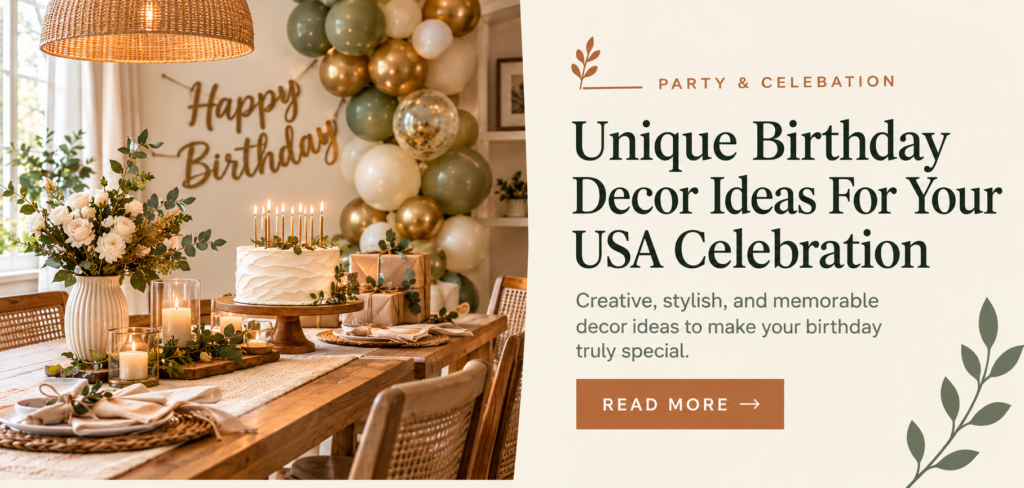
Unique Birthday Decor Ideas for Your USA Celebration

Unique birthday decorations can be difficult to plan when you want a celebration to feel personal without making the space look crowded or overly themed. Choosing random decorations often leads to mismatched colors, unused items, and a party setup that lacks a clear focal point. The better approach is to build the decor around a simple theme, coordinated colors, and a few thoughtful details that suit the space and the occasion. From balloon backdrops and personalized signs to stylish table settings, creative lighting, and budget-friendly DIY touches, there are many ways to create a polished birthday setup at home or outdoors. These unique birthday decor ideas for your USA celebration will help you organize the decorations by area, choose practical details, and create a welcoming party atmosphere for different ages and celebration styles. Plan Your Birthday Decor Before You Start A well-planned birthday setup looks more organized and is usually easier to decorate. Before buying balloons, banners, or table decorations, decide what kind of celebration you want and how much space you have available. Start by choosing a theme that fits the birthday person and the occasion. For example, a modern black-and-gold theme can work well for an adult birthday, while pastel colors may suit a younger celebration. You do not need a complicated theme; even a simple color combination can create a consistent look. Next, choose two or three main colors. Coordinating balloons, tableware, signs, and other birthday party decorations around the same palette helps prevent the space from looking messy. Finally, identify the areas that need the most attention. A living room may need a backdrop and balloon display, while a backyard celebration could focus on the entrance, food table, and seating area. Planning these areas first helps you spend your budget on decorations that make the biggest difference. Choose a Birthday Theme That Matches the Celebration The right theme gives your birthday decorations a clear direction and makes it easier to choose colors, balloons, tableware, and other details. Start by considering the age of the birthday person, the type of event, and the overall mood you want to create. For an adult birthday, a modern black-and-gold theme, neutral decor, or an elegant dinner-party style can create a polished setting. For children, colorful balloons, playful patterns, or a favorite activity-inspired theme may work better. You can also choose a theme based on the location. For example, a backyard birthday party could use a garden, picnic, or summer theme, while an indoor celebration might suit a minimalist or elegant setup. Keep the theme simple enough to repeat throughout the space. A few coordinated elements usually look more intentional than filling every area with unrelated birthday party decorations. Pick a Color Palette That Feels Coordinated A coordinated color palette can make birthday decorations look intentional instead of random. Start with two main colors and add one accent shade if needed. This gives you enough variety without making the party space feel visually crowded. For example, white, gold, and soft pink can create an elegant birthday setup, while black, gold, and white work well for a modern adult celebration. For a child’s party, you might choose blue, yellow, and white or pastel pink, lavender, and cream. Use the same colors across your balloons, table decorations, banners, napkins, cake table, and backdrop. You do not need every item to match exactly. Instead, repeat the main colors in different materials and patterns. For outdoor birthday parties, consider the surroundings too. Greenery, wood, or a neutral patio can work naturally with earthy colors, while a bright indoor room may look better with softer shades. Create a Statement Birthday Backdrop A birthday backdrop gives the celebration a clear focal point and creates a dedicated area for photos, the cake table, or a welcome sign. Instead of decorating every wall, choose one important area and make it the main feature. Use a Balloon Garland for a Colorful Focal Point A balloon garland can quickly turn a plain wall, doorway, or party table into a defined focal point. The key is to choose balloons that match your overall birthday color palette rather than mixing too many unrelated shades. Combine different balloon sizes to give the arrangement a fuller and more natural appearance. You can also mix standard round balloons with a few larger statement balloons for added visual interest. For an elegant adult celebration, try white, gold, and blush balloons. For a more playful party, combinations such as blue, yellow, and white can work well. If you prefer a modern look, neutral balloons in cream, beige, and soft brown can create simple birthday party decorations without looking overly colorful. Place the garland above a birthday backdrop, around a welcome sign, or along one side of a cake table. Keeping the arrangement concentrated in one area helps create a strong focal point without overcrowding the room. Amazon affiliate product opportunity: Add a Personalized Birthday Sign A personalized birthday sign is a simple way to make your party decor feel more specific to the person being celebrated. Instead of using only a general “Happy Birthday” banner, include details such as their name, age, or a short message. For example, a sign could say “Happy 30th Birthday, Sarah” or “Cheers to 50 Years, Michael!” For a child’s celebration, you could use their name with a favorite color or party theme. Choose a sign style that matches the rest of your birthday decorations. A clean acrylic or wooden sign can work well for an elegant celebration, while colorful printed signs may suit a playful children’s party. Place the sign where guests can easily see it, such as above a balloon garland, beside the cake table, or at the entrance. Keep the wording short and the lettering clear so the sign is easy to read and looks good in photos. Amazon affiliate product opportunity: Create a Photo-Worthy Backdrop Wall A photo-worthy backdrop does not need to cover an entire wall. The goal is to create one attractive area where guests can […]

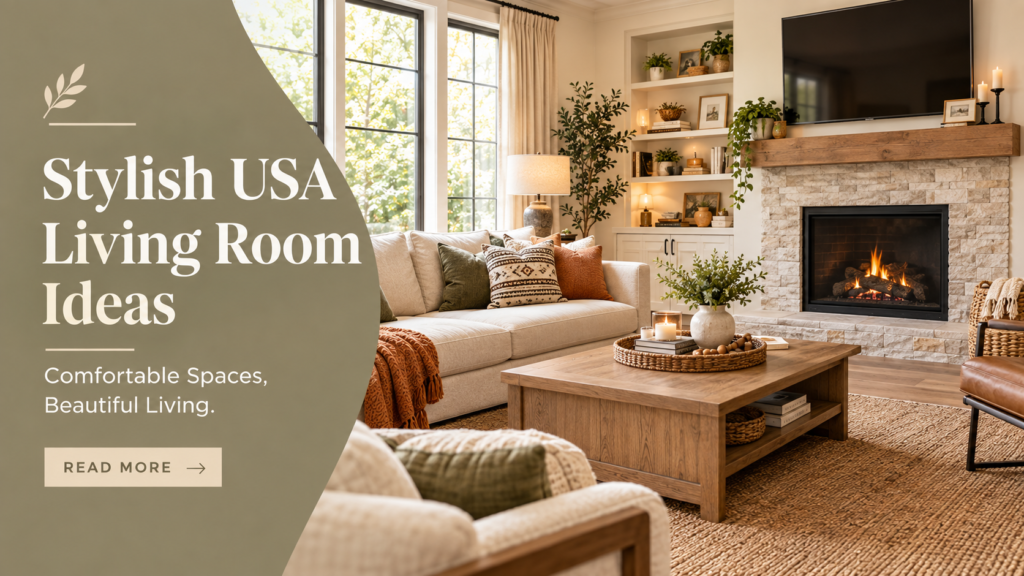
Stylish USA Living Room Ideas
Home Decor, Living Room Decor

Home Decor Ideas for a Stylish USA Living Room

Decorating a living room can be difficult when you want to balance style, comfort, and everyday functionality. Choosing furniture that is too large, mixing too many colors, or adding unnecessary accessories can make the space feel crowded and unorganized. A well-designed living room starts with a clear decorating approach that considers the room’s size, layout, existing furniture, and personal style. For a stylish USA living room, focus on comfortable seating, coordinated colors, practical furniture arrangements, layered lighting, and carefully selected decorative accents. Whether your home has a modern, traditional, minimalist, or casual interior, these home decor ideas can help you create a welcoming space. With thoughtful planning, you can make your living room attractive, comfortable, and functional for everyday living. Choose a Living Room Style That Fits Your Home Choosing a living room style before buying furniture or accessories helps create a space that feels coordinated rather than random. Consider your home’s architecture, room size, existing furniture, and how you use the space. A clear style also makes it easier to choose colors, fabrics, lighting, and decorative accents. Modern American Living Room A modern American living room usually combines clean lines, comfortable furniture, neutral colors, and practical decor. The goal is to create a space that looks polished without feeling too formal. Choose a comfortable sofa in beige, gray, cream, or another neutral shade. Add a simple coffee table, an area rug, modern lighting, and a few decorative accessories. For example, a cream sofa with a textured rug, black accent chairs, and simple wall art can create a balanced contemporary look. Traditional and Timeless Living Room Traditional living room decor focuses on classic furniture, warm colors, balanced arrangements, and details that do not quickly go out of style. This approach works well if you prefer a comfortable and established look. Wooden furniture, patterned rugs, framed artwork, decorative lamps, and classic sofas can help create this style. For example, pair a neutral sofa with a wooden coffee table, traditional area rug, and framed landscape artwork for a warm and timeless American living room. Cozy and Casual Living Room A cozy and casual living room prioritizes comfort while keeping the decor relaxed and practical. This style works especially well for family homes where the living room is used for relaxing, watching television, reading, or spending time together. Use soft seating, layered pillows, comfortable throws, warm lighting, and natural materials. A large fabric sofa combined with a textured rug, woven baskets, wooden accents, and a few indoor plants can make the room feel inviting without looking overly decorated. Minimalist and Contemporary Living Room A minimalist living room focuses on simplicity, clean lines, and fewer decorative items. Instead of filling the room with accessories, choose a few pieces that are both useful and attractive. Neutral colors, simple furniture, uncluttered surfaces, and hidden storage can help create this look. The key is not to make the room feel empty. Instead, focus on quality, proportion, and carefully selected decorative elements. Choose a Warm and Coordinated Color Scheme The right color scheme can make a living room feel more comfortable, spacious, and organized. Instead of choosing colors separately, select a main shade, a supporting color, and one or two accent tones. Consider your flooring, furniture, natural light, and existing home decor before making your choices. Neutral Living Room Color Ideas Neutral colors are a reliable choice for stylish living room decor because they create a calm background that works with different furniture and accessories. Beige, cream, white, taupe, soft gray, and warm greige are popular options. For example, a beige sofa can be paired with cream walls, a light brown rug, and wooden furniture. Add black or dark gray accents through lamps, picture frames, or cushions to create contrast without making the room feel too busy. Warm and Earthy Color Palettes Warm and earthy colors can make a living room feel inviting and comfortable. Shades such as terracotta, olive green, warm brown, sand, rust, and muted mustard work especially well with natural materials. For example, combine a warm beige sofa with a rust-colored throw, olive green cushions, and a wooden coffee table. Plants, woven baskets, and natural wood accessories can reinforce the earthy feel. Adding Accent Colors Without Overdoing It Accent colors are useful for adding personality, but too many strong colors can make the room feel disconnected. Choose one main accent color and repeat it in small amounts throughout the space. For example, if you choose navy blue as your accent, use it in two or three areas such as throw pillows, artwork, and a decorative vase. Keeping the larger furniture and walls neutral allows the accent color to stand out while maintaining a balanced living room design. Choose Comfortable and Stylish Living Room Furniture Furniture is one of the most important parts of a living room because it affects both comfort and the overall layout. Choose pieces based on the room’s size, daily use, and decorating style. The goal is to create a space that feels comfortable without becoming crowded. Select the Right Sofa The sofa is usually the main piece of living room furniture, so choose one that fits both the room and your lifestyle. Consider the sofa’s width, depth, fabric, color, and seating capacity before buying. For a small living room, a compact sofa with a simple shape can leave more space for movement. In a larger room, a sectional or spacious sofa can provide comfortable seating for family and guests. For example, a neutral beige or gray sofa can work well with modern living room decor because it provides a flexible base for colorful pillows, rugs, and other accessories. Add Accent Chairs for Extra Seating Accent chairs can provide additional seating while adding shape and personality to the room. Choose chairs that complement the sofa without needing to match it exactly. For example, pair a cream sofa with two light wood or textured fabric accent chairs. If the room already has several patterns, choose simple chairs in a solid color to […]

small living room decorating mistake
Living Room Decor

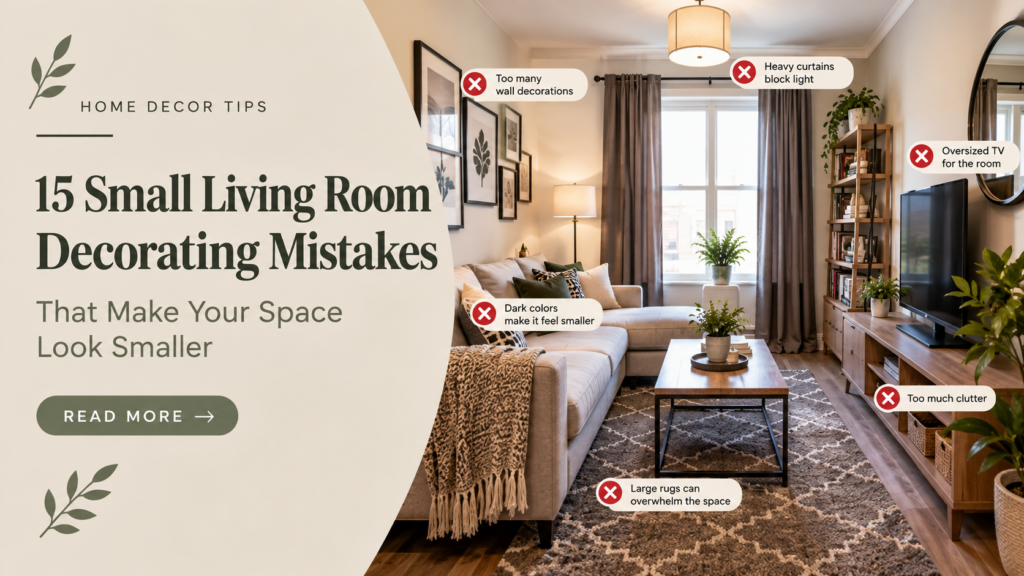
15 Small Living Room Decorating Mistakes That Make Your Space Look Smaller

A small living room doesn’t have to feel cramped, boring, or difficult to decorate. In fact, with the right furniture, colours, lighting, and layout, even a tiny space can feel comfortable, stylish, and surprisingly spacious. The problem is that a few common decorating mistakes can work against you. A rug that’s too small, too many tiny accessories, furniture pushed into every corner, or even the wrong curtains can make your living room feel more crowded than it really is. The good news? You don’t need a complete makeover to fix these problems. Here are 15 small living room decorating mistakes to avoid, plus simple ideas that can make your space feel bigger, calmer, and more put together. 1. Choosing Furniture That Is Too Small It might seem logical to fill a small living room with small furniture, but using lots of tiny pieces can actually make the room feel more cluttered. A small sofa, tiny coffee table, miniature side tables, and several small chairs can create a busy look without giving the room a clear focal point. Try this instead Choose fewer pieces with the right proportions. A comfortable sofa, one well-sized coffee table, and one or two useful accent pieces can look much cleaner. The goal isn’t to make everything tiny. It’s to make everything fit the room properly. 2. Using a Rug That Is Too Small One of the easiest ways to make a small living room look disconnected is choosing a tiny rug. When the rug sits underneath only the coffee table, the seating area can look separated rather than cohesive. Try this instead Choose a rug large enough for at least the front legs of your main seating pieces to sit on it. This simple change can visually connect the furniture and make the room feel more intentional. 3. Pushing Every Piece of Furniture Against the Wall In a small room, it’s tempting to push everything against the walls to create more floor space. But this can sometimes make the centre of the room feel awkward and leave the furniture arrangement looking unfinished. Try this instead If your layout allows, pull the sofa slightly away from the wall and create a defined seating area. Even a small amount of breathing room can make the arrangement feel more balanced. 4. Using Too Many Tiny Decorations Small rooms can quickly become overwhelmed by lots of little decorative objects. Several small vases, frames, candles, ornaments, baskets, and accessories may look cute individually, but together they can create visual clutter. Try this instead Choose a few larger or more meaningful decorative pieces. A large piece of artwork, an attractive lamp, a statement vase, or a beautiful plant can often have more impact than a shelf full of tiny objects. 5. Making Everything Neutral Neutral colours can make a small living room feel bright and calm, but using only pale beige, white, or grey can sometimes make the room feel flat. You don’t have to avoid colour just because your room is small. Try this instead Add one or two deeper or warmer shades through cushions, artwork, curtains, a chair, or a small accent wall. Sage green, muted blue, warm terracotta, olive, or soft brown can add personality without overwhelming the room. 6. Ignoring the Walls When floor space is limited, the walls become valuable decorating space. Leaving every wall completely empty can make a small living room feel unfinished. Try this instead Use vertical elements such as: Using the vertical space can draw the eye upward and make the room feel taller. 7. Choosing a Coffee Table That Is Too Large A coffee table should be useful, but it shouldn’t dominate the room. If you have to squeeze around it every time you walk through the living room, it’s probably too large. Try this instead Measure the available floor space before buying a coffee table. Round or oval tables can also work particularly well when you’re trying to improve movement around a compact seating area. 8. Blocking the Natural Light Heavy furniture, oversized curtains, or tall decorative pieces placed directly in front of windows can make a small living room feel darker. And when a room feels darker, it can also feel smaller. Try this instead Keep windows as open as possible and choose lightweight curtains when practical. Hang curtains slightly higher and wider than the window frame to create a more spacious visual effect. 9. Using Only One Light Source A single ceiling light rarely creates the warm, layered atmosphere that a living room needs. It can also create harsh shadows in corners, making the room feel less inviting. Try this instead Use several light sources at different heights. For example: Layered lighting can make a small living room feel warmer and more comfortable, especially in the evening. 10. Choosing Too Many Competing Patterns Patterns can bring personality into a small living room, but too many different prints can make the space feel visually busy. If your cushions, curtains, rug, artwork, and furniture all have different patterns, the eye has nowhere to rest. Try this instead Choose one main pattern and support it with simpler textures and colours. For example, a patterned rug can work beautifully with plain cushions and a simple sofa. 11. Forgetting About Walking Space A beautiful living room isn’t very practical if you have to squeeze between furniture to get from one side of the room to another. Poor traffic flow is one of the most noticeable small living room design mistakes. Try this instead Before buying anything, think about how you actually move through the room. Leave comfortable pathways around the main furniture and avoid placing unnecessary pieces where people naturally walk. 12. Having No Clear Focal Point A small living room doesn’t need lots of statement pieces. In fact, having too many competing focal points can make the room feel chaotic. Try this instead Choose one main feature. It could be: Then arrange the rest of the room around it. 13. Matching […]

aesthetic kitchen ideas
Home Decor, Kitchen Trends

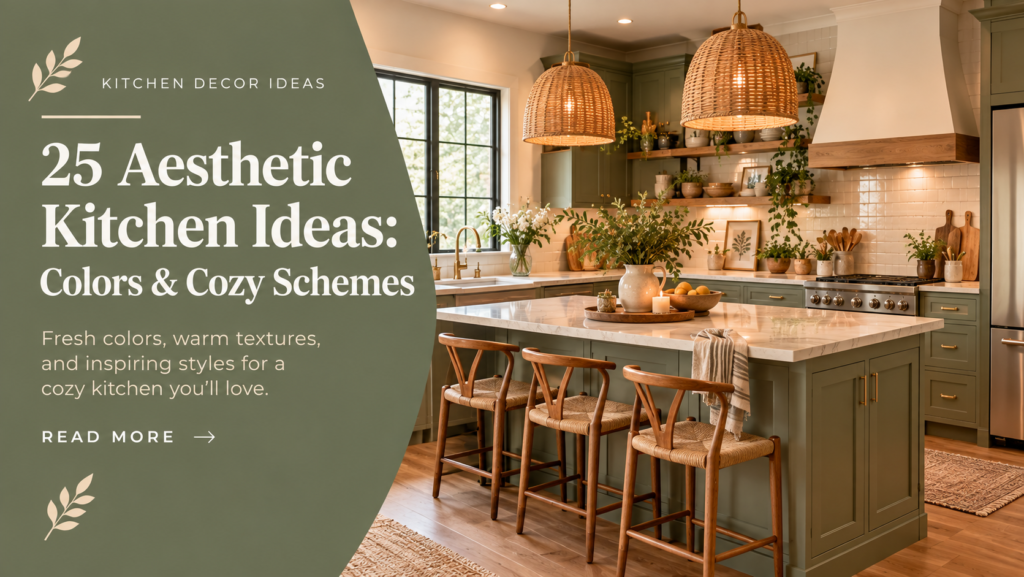
25 Aesthetic Kitchen Ideas: Colors & Cozy Schemes

Have you ever looked at your kitchen and thought, “It’s fine… but something is missing”? Sometimes, you don’t need a full kitchen makeover to change the feeling of the space. A fresh colour, a softer cabinet shade, or even a simple change in your wall colour can make a surprising difference. The right aesthetic kitchen ideas can make your kitchen feel warmer, brighter, more modern, or even more expensive without replacing everything. Whether you love clean modern spaces, cosy country kitchens, or soft Pinterest-style interiors, these kitchen paint colors can help you create a kitchen that feels beautiful and still works for everyday life. 1. Warm White for a Clean, Timeless Kitchen White kitchens will probably never go completely out of style, but there is a big difference between a cold white and a warm, inviting white. A soft warm white works beautifully on walls and cabinets, especially when paired with natural wood, brass hardware, or woven textures. If you want your kitchen to feel bright without looking too stark, this is one of the easiest choices. Best for: Small kitchens, traditional homes, minimalist spaces. 2. Sage Green for a Soft Aesthetic Kitchen Sage green has become a favourite for homeowners who want colour without anything too loud. This muted green feels calm, natural, and surprisingly easy to style. Try it on cabinets with warm white walls and wooden accents for a relaxed look. For anyone searching for a sage green kitchen, this is one of those colours that can feel trendy while still being timeless. Best for: Cosy kitchens, shaker cabinets, cottage-inspired interiors. 3. Deep Navy for a Sophisticated Look Want your kitchen to have a little more personality? Deep navy can instantly add depth and sophistication. It looks especially beautiful on lower cabinets or a kitchen island, while lighter walls keep the room from feeling too dark. Pair navy with brushed brass, warm wood, or creamy white for a balanced finish. Best for: Large kitchens, kitchen islands, modern traditional spaces. 4. Soft Beige for a Warm, Expensive Feel Beige is having a serious comeback—and this time, it feels anything but boring. A soft beige creates a warm background that works beautifully with wood, stone, cream and black accents. It is also a great option if you want your kitchen to feel welcoming rather than overly designed. If you love understated interiors, beige can be one of the best kitchen color ideas to consider. Best for: Warm minimalist kitchens and neutral interiors. 5. Moody Charcoal Gray If you prefer darker interiors, charcoal gray can give your kitchen a dramatic but polished appearance. You don’t have to paint every wall dark. A charcoal island or lower cabinets can be enough to create contrast. Keep the rest of the space lighter with cream walls, pale worktops, or natural wood. Best for: Modern kitchens and dramatic interiors. 6. Dusty Blue for a Relaxed Feel Soft blue brings a fresh, calming feeling into the kitchen without becoming too colourful. A dusty or muted blue works especially well with white countertops and light wood. It is also a great alternative if navy feels too dark for your space. This is one of the easiest blue kitchen ideas to recreate without making the room feel overwhelming. Best for: Coastal-inspired, classic and relaxed kitchens. 7. Cream Instead of Bright White Not everyone wants a bright white kitchen. Cream gives you the brightness of white but adds a little more warmth. It works beautifully with natural materials and can make modern kitchens feel much softer. Try cream cabinets with warm wood shelves and aged brass handles for an inviting look. Best for: Warm, classic and cosy interiors. 8. Olive Green for a Rich Natural Look Olive green is deeper and earthier than sage, making it perfect if you want more character. It looks especially good alongside walnut wood, cream walls and antique-style hardware. The result is a kitchen that feels sophisticated without looking too formal. Best for: Traditional homes, earthy interiors and statement cabinets. 9. Soft Pink for a Pretty Modern Kitchen Pink might not be the first colour that comes to mind when you think about kitchens, but a muted blush or dusty pink can look surprisingly elegant. The key is choosing a soft, slightly muted shade rather than a bright pink. Pair it with cream, light wood or simple black details to keep the overall look grown-up and stylish. Best for: Feminine, playful and modern interiors. 10. Warm Greige for the Best of Both Worlds Can’t decide between grey and beige? Greige gives you both. This balanced neutral works well with almost any decorating style and can change slightly depending on the lighting in your kitchen. It is particularly useful if you want a flexible background that won’t fight with your furniture, flooring or worktops. Best for: Modern, transitional and minimalist kitchens. 11. Terracotta for an Earthy Kitchen If you want something warmer and more distinctive, consider terracotta. You don’t necessarily need terracotta cabinets. Even a terracotta-inspired wall, backsplash, accessories or dining area can bring warmth into the room. Combine it with cream and natural wood for a relaxed Mediterranean-inspired feel. Best for: Earthy and Mediterranean-style kitchens. 12. Forest Green for a Statement Forest green creates a rich, dramatic atmosphere while still connecting the kitchen to natural colours. It works beautifully on cabinetry, especially when balanced with lighter walls and countertops. If your kitchen gets plenty of natural light, this can be a stunning way to introduce a deeper colour. Best for: Statement cabinets and larger kitchens. 13. Pale Gray for a Minimalist Kitchen For a clean, understated look, pale gray is an excellent choice. It gives you more colour than white without making the kitchen feel heavy. Add black hardware and simple lighting for a modern look, or combine it with wood for something warmer. Best for: Minimalist and contemporary kitchens. 14. Butter Yellow for a Cheerful Space A soft buttery yellow can make a kitchen feel instantly happier. Unlike bright yellow, a […]

Kitchen Trends 2027
Home Decor, Kitchen Trends, Living Room Decor

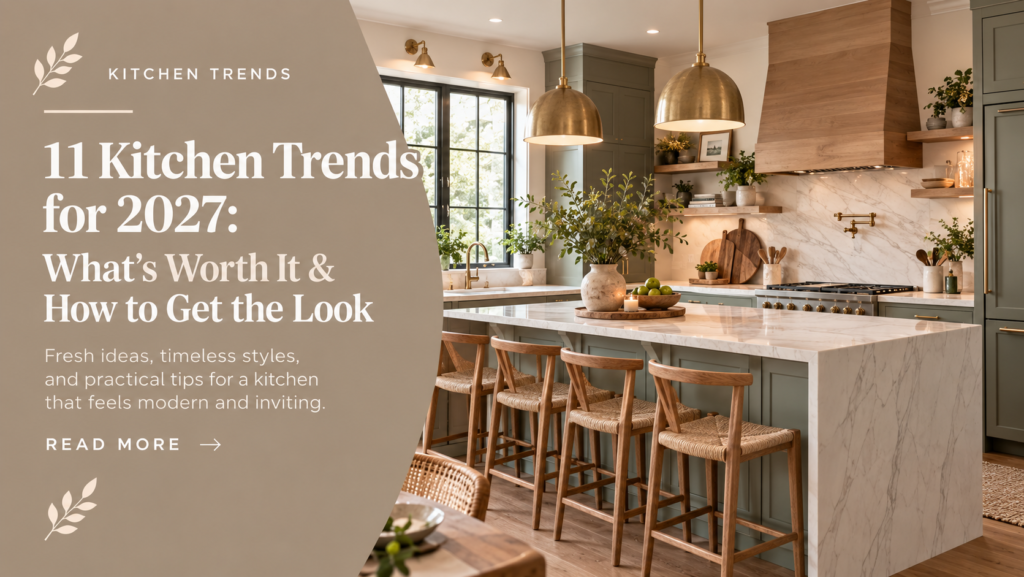
11 Kitchen Trends for 2027: What’s Worth It & How to Get the Look

Your kitchen does not have to be huge, expensive, or straight out of a design magazine to feel beautiful. Kitchen Trends 2027, kitchen design is becoming more personal, warmer, and much more practical. Instead of chasing a perfect showroom look, homeowners are choosing spaces that feel comfortable, organized, and genuinely enjoyable to use. Think warm colours instead of harsh whites, furniture-inspired cabinets, smarter storage, softer lighting, natural textures, and kitchen spaces designed for gathering. But there is a catch: not every kitchen trend deserves your renovation budget. Some ideas can make everyday life easier, while others are better treated as small styling updates. So, rather than simply listing the latest looks, let’s look at the 11 kitchen trends for 2027 that are worth knowing—and how to bring them into your own home. 1. Furniture-Style Kitchen Cabinets What if your kitchen cabinets looked more like beautiful furniture? That is exactly where kitchen design is heading. Instead of making every cabinet look identical and built-in, homeowners are adding details that give cabinetry a more crafted, furniture-like appearance. Think framed doors, natural wood, glass fronts, classic hardware, softer finishes, and standalone storage pieces. This approach works particularly well if you want a kitchen that feels connected to the rest of your home rather than looking like a separate, purely functional space. How to get the look You do not have to replace your entire kitchen. Try adding one furniture-style cabinet, a freestanding cupboard, a glass-front display unit, or even a vintage-inspired piece for extra character. Worth it? Yes—especially if you want a timeless look rather than a kitchen that feels overly trendy. 2. Layered Lighting for a Warmer Kitchen Good lighting can completely change the mood of a kitchen. In 2027, kitchens are moving beyond the idea of one bright ceiling fixture. Instead, different layers of lighting are being used for different purposes. Pendant lights can provide a decorative focal point, under-cabinet lighting can brighten work surfaces, and wall lights or small lamps can add a softer glow in the evening. The result is a kitchen that feels much more inviting after dark. Small-kitchen idea You do not need an expensive lighting renovation. Start with under-cabinet lights and one decorative fixture. Even a small change can make a basic kitchen feel more finished. Worth it? Absolutely. Lighting is one of those updates that can improve both style and everyday function. 3. Smarter Storage That Keeps Clutter Hidden A beautiful kitchen can quickly lose its charm when countertops become covered with appliances, containers, and everyday essentials. That is why smarter storage is becoming one of the most useful kitchen trends for 2027. Hidden appliance areas, deep drawers, pull-out organizers, tall cabinets, and dedicated storage zones can make a kitchen feel calmer without reducing its functionality. The clever part You may not need more cabinets—you may simply need to use your existing space better. Shelf risers, drawer dividers, pull-out baskets, and vertical organizers can turn awkward spaces into useful storage. Worth it? One of the best investments you can make, particularly in a small kitchen. 4. Dedicated Kitchen Zones The kitchen is no longer just a place for cooking. It might also be where someone makes coffee in the morning, prepares school lunches, works from home, bakes on the weekend, or chats with friends while dinner is cooking. That is why creating dedicated zones is becoming increasingly useful. A small coffee station, baking cupboard, breakfast corner, or drinks area can give each part of the kitchen a clear purpose. You do not need a huge kitchen A zone can be as simple as a tray with your coffee essentials or a drawer near the oven containing baking tools. It is about organization, not square footage. Worth it? Definitely—especially for busy households. 5. Kitchen Islands With More Personality The kitchen island is getting a makeover. Rather than being treated as a simple block of countertop, islands are becoming more decorative and furniture-like, with interesting materials, curved details, statement finishes, and comfortable seating. But bigger does not automatically mean better. An oversized island can make a smaller kitchen feel cramped and make everyday movement frustrating. The smarter approach Choose an island based on how you actually use your kitchen. A narrow island, peninsula, or movable kitchen cart may be a better solution for a compact space. Worth it? Yes, if the size and layout make sense for your kitchen. 6. Statement Range Hoods For years, the range hood was something many homeowners tried to hide. Now, it can become one of the most interesting features in the room. Custom-looking hoods with plaster, stone, wood, or architectural detailing can create a strong focal point without filling the kitchen with unnecessary decoration. It is a great example of turning a practical feature into part of the overall design. On a smaller budget You do not need a custom hood to create a focal point. A beautiful backsplash, decorative shelf, or statement lighting above the cooking area can create a similar effect. Worth it? Yes—particularly if you are already renovating the cooking area. 7. Kitchens Made for Entertaining The modern kitchen is increasingly becoming the heart of the home. Instead of designing everything around cooking alone, homeowners are thinking about where guests will sit, where drinks will be served, and how people can gather without getting in the cook’s way. Comfortable stools, practical serving areas, good lighting, and easy-access storage can make entertaining much easier. A simple upgrade Create a small drinks or serving station close to your dining area. It does not need to be expensive. Even a dedicated cabinet or stylish tray can make entertaining feel more organized. Worth it? Yes, especially if your kitchen is often the social centre of your home. 8. Warm and Earthy Kitchen Colours If you are tired of cold, all-white kitchens, you are not alone. Kitchen colour palettes are becoming warmer and more expressive, with earthy greens, soft neutrals, natural wood, muted blues, and richer tones bringing more personality into the […]

Aesthetic minimalist home decor with neutral colours and natural textures
Home Decor, Living Room Decor

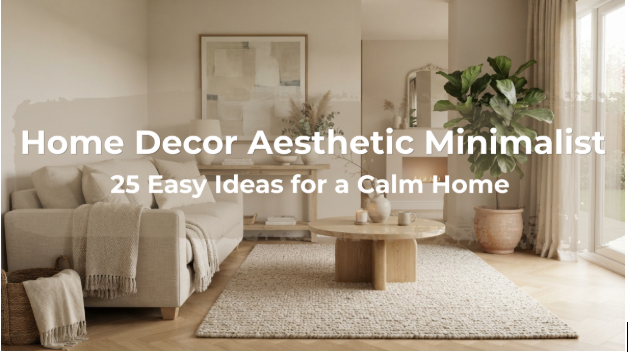
Home Decor Aesthetic Minimalist: Calm & Beautiful Ideas

A minimalist home does not have to feel empty, cold, or boring. In fact, the right minimalist decor can make your home feel calmer, warmer, and much more put together—even if you are working with a small space or a limited budget. The secret is not having fewer things just for the sake of it. It is about choosing the right pieces, leaving enough breathing room, and adding simple details that make the space feel like yours. If you love clean rooms, soft colours, natural textures, and that effortless Pinterest-style look, these home decor aesthetic minimalist ideas will help you create the look without making your home feel like a showroom. What Is a Home Decor Aesthetic Minimalist Style? Aesthetic minimalist decor is a mix of simple design and personal style. Traditional minimalism often focuses heavily on reducing clutter. Aesthetic minimalism takes that idea a little further by making the space visually pleasing, comfortable, and personal. Think: The goal is not to remove everything from your home. The goal is to make every item feel intentional. 25 Home Decor Aesthetic Minimalist Ideas 1. Start With a Soft Neutral Colour Palette A simple colour palette is one of the easiest ways to create a minimalist home aesthetic. You do not have to use plain white everywhere. Try shades such as: For a more interesting look, choose one main colour, one supporting neutral, and a small accent colour. For example, cream walls with light wood furniture and soft green accessories can create a calm and natural feel. 2. Keep Your Main Furniture Simple Minimalist furniture usually has clean shapes without too many decorative details. Look for sofas, beds, tables, and cabinets with simple lines and practical designs. You do not need to replace all your furniture to achieve a home decor aesthetic Minimalist, either. Sometimes changing just one large piece can make the room feel completely different. If your sofa is bulky or visually heavy, balance it with lighter curtains, a simple coffee table, or open shelving. 3. Leave Some Empty Space One of the biggest secrets of minimalist decor is knowing when to stop. You do not need to decorate every wall, shelf, or corner. Empty space gives your favourite pieces room to stand out and makes the whole room feel more relaxed. Before adding another decoration, look around the room and ask: Does this space actually need something else? Sometimes the answer is no. 4. Add Warm Lighting Good lighting can completely change a minimalist room. Instead of relying only on a bright ceiling light, layer different sources of light. Try: Warm lighting works especially well with beige, cream, wood, and soft brown tones. It can make a simple room feel much more comfortable in the evening. 5. Bring in Natural Wood Natural wood is a great way to make minimalist decor feel warmer. You can add wood through: Light wood works beautifully with neutral colours, while darker wood can create a richer and more sophisticated look. 6. Use Texture Instead of More Colour If your neutral room feels boring, do not immediately add lots of bright colours. Try adding texture first. A soft rug, knitted throw, linen-style curtains, woven basket, textured cushions, or ceramic vase can make a simple room feel much more interesting. This is one of the easiest ways to create a cozy minimalist home. 7. Add One Large Piece of Wall Art Instead of filling a wall with lots of small frames, try one large piece of artwork. A simple abstract print, black-and-white photograph, botanical artwork, or neutral landscape can become the focal point of the room. Choose something you genuinely like rather than buying artwork simply because it looks “minimalist.” 8. Decorate With Greenery Plants add life to a minimalist space without making it feel cluttered. You can use: If you do not want the maintenance of real plants, a high-quality artificial plant can still create a similar visual effect. 9. Choose One Statement Decoration Minimalist does not mean every item has to be tiny and plain. One statement piece can actually make the room more interesting. It could be: The key is to let that item stand out instead of surrounding it with too many other decorations. 10. Use Baskets to Hide Everyday Clutter Even the prettiest minimalist room can quickly become messy when everyday items are left everywhere. Baskets are an easy solution. Use them for: Choose baskets in natural materials or neutral colours so they blend into the room. 11. Try a Minimalist Coffee Table Your coffee table does not need to be covered with decorations. A simple arrangement can be enough. Try a small tray with a candle, a ceramic vase, and one or two books. Leave plenty of the table surface clear. This creates that clean, effortless look without making the room feel unfinished. 12. Use Mirrors to Make a Small Room Feel Bigger A large mirror can be both decorative and practical. Place it opposite or near a natural light source when possible. It can help reflect light and make a smaller room feel more open. Choose a simple frame that works with the rest of your decor. For a softer look, try a light wood or neutral frame instead of something heavily decorative. 13. Keep Shelves Light and Simple Open shelves can easily become cluttered. Instead of filling every space, leave some gaps between objects. Try combining: Use different heights and textures, but keep the colour palette connected. 14. Choose Curtains That Feel Light Heavy or overly detailed curtains can make a minimalist room feel visually crowded. Soft neutral curtains can create a lighter and calmer appearance. Cream, off-white, beige, and light grey are easy choices that work with many minimalist colour schemes. If you want a cozy feel, choose a fabric with a little texture rather than a completely flat material. 15. Create a Calm Minimalist Bedroom The bedroom is one of the best places to use minimalist decor because the goal is to create a […]

Scroll to Top